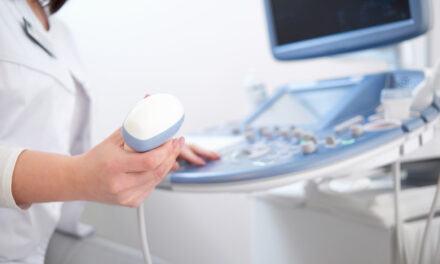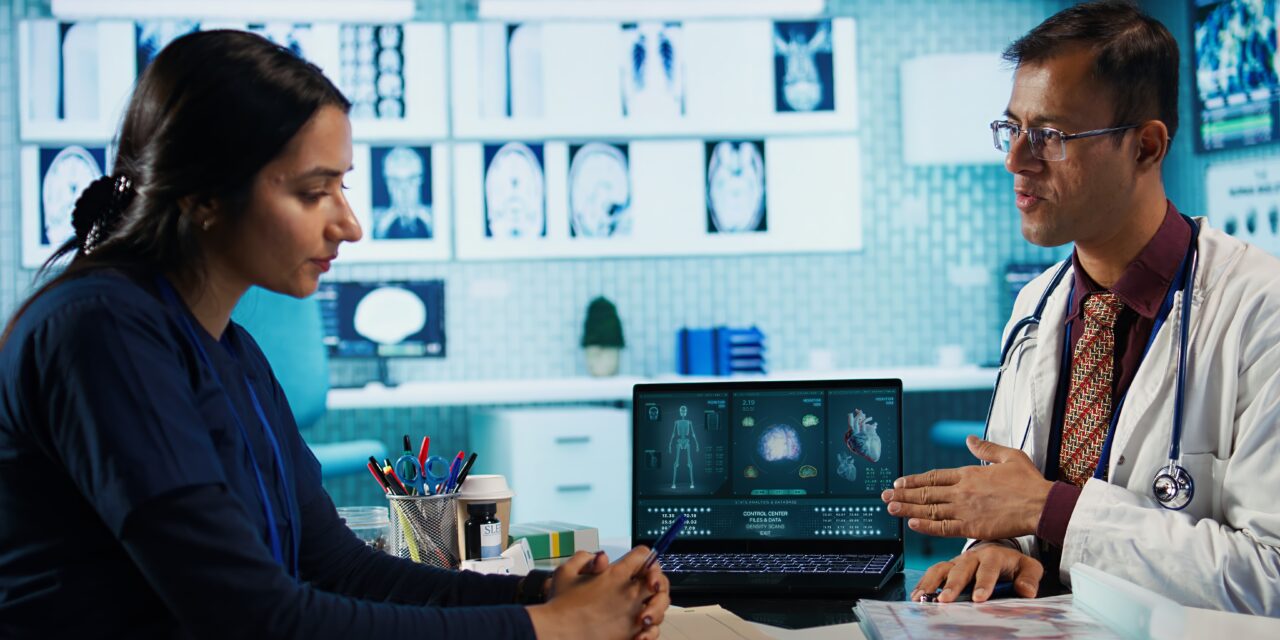
From deep-learning algorithms to hybrid imaging, today’s technologies are accelerating discovery and diagnosis like never before. Medical imaging methods that apply technologies like high frame rate ultrafast imaging improve diagnostics and service delivery.
Medical imaging in research and clinical diagnostics is undergoing rapid evolution with AI, real-time data analysis, and multi-modality imaging redefining precision medicine. From high-resolution portable devices to AI-driven and hybrid imaging systems, high-precision devices are being designed to deliver personalised and efficient medical interventions.
This article is designed to inform researchers and healthcare innovators about the most impactful imaging trends shaping the next decade.
The Growing Importance of Innovation in Medical Imaging
Accurate imaging supports early disease detection, therapy planning, and research validation. They are also important for improving diagnostic accuracy and patient care, alongside streamlining healthcare delivery.
The impact of modern imaging techniques on medical imaging is as follows:
- Better speed and accuracy through enhanced diagnostics.
- AI-driven, quantifiable analysis of images for disease detection.
- Reduced scan time through ultrafast imaging and less radiation exposure.
- Precise and sensitive imaging of anatomical and metabolic data.
- Real-time functional images for assessing metabolic activity.
- Accessible care through point-of-care devices.
- High frame rate imaging for accurate images of fast-moving organs.
5 Emerging Trends Transforming Medical Imaging
The top five technological trends in terms of medical imaging are as follows:
1. Artificial Intelligence and Machine Learning Integration
AI-driven image analysis improves diagnostic accuracy and reduces human error. This is done by comparing the results from imaging to the vast datasets, improving the speed and accuracy of disease detection. This makes it an important innovation for fields like neurology, cardiac imaging, and oncology.
Some of the key applications include
- Radiomics,
- Early disease detection,
- Automated image analysis,
- Automated detection of anomalies, and
- Image segmentation.
2. Hybrid and Multi-Modality Imaging Systems
Hybrid imaging refers to those systems that combine two or more imaging methods into a single device. In multi-modality systems, this goes one step further, and imaging results taken via different modes are combined at the software level.
These systems are excellent for synergistic, comprehensive imaging in:
- Anatomical Imaging (like MRI and CT) where the results are detailed information about the body’s structures, including bones and soft tissues.
- Molecular (or Functional) Imaging (like PET and SPECT), which gives an image of molecular processes and metabolic activity within the body.
Since hybrid and multi-modality systems combine the imaging results from different modes, they improve diagnostic accuracy and confidence. Thus, it benefits streams like oncology, cardiology, and neurology research.
3. 3D and 4D Imaging for Dynamic Visualization
3D Imaging combines multiple 2D image slices to create a comprehensive, three-dimensional representation. This provides detailed depth perception, providing clear visuals of tissue and organs for disease detection and surgical planning.
4D imaging allows 3D visualisation of dynamic processes in real-time. Through high frame rate imaging, this method improves diagnostics through dynamic visualisation, tracking moving structures. This can help track the effectiveness of treatment procedures by monitoring disease progression.
Some use cases for both imaging methods include:
- Tracking tumor growth,
- Monitoring cardiac motion, and
- Musculoskeletal studies.
With innovations, these methods can effectively enhance surgical navigation and procedures associated with personalized surgical implants.
4. Portable and Point-of-Care Imaging Devices
Portable and Point-of-Care Imaging Devices (POCI) like ultra-portable ultrasound and mobile X-ray systems are essential for field and telemedicine use. The latest systems, like handheld ultrasounds, offer high frame rate and ultrafast imaging, proving quick and accurate diagnostics.
These are rising in relevance in low-resource settings and emergency medicine, the primary applications being in:
- Remote diagnostics,
- Pandemic response, and
- Data democratization.
These high-end systems are the way to provide cost-effective care and reduce patient discomfort and risk. Further, these offer faster, more accurate diagnostics with immediate, high-quality images and improve treatment success rates.
5. Quantum and Photonic Imaging Technologies
An emerging frontier in medical imaging is quantum and photonic imaging systems. These offer both ultrafast and high frame rate imaging with quantum-enhanced resolution and low-dose photon counting detectors.
Thus, they can potentially create high-resolution, accurate, high-contrast, molecular-level imaging in cancer and neuroscience research. These techniques facilitate early disease planning and better treatment plans, with non-invasive imaging.
The Role of Data and Cloud Infrastructure
High-end imaging devices, especially those based on AI and ML, need to be equipped with extensive cybersecurity protocols and secure, interoperable storage with AI training datasets. This will reduce misdiagnoses, maintain service availability, protect patient privacy, prevent data breaches, and ensure data integrity.
Challenges are present in terms of data governance, patient privacy (HIPAA, GDPR), and cross-institution collaboration. A few suggested solutions include cloud PACS, federated learning, and blockchain verification.
Further role of data and cloud infrastructure can be observed in terms of:
- Data management and accessibility
- AI-driven advanced analytics
- Enhanced data security and reliability
- Data recovery in case of disruptions
- Automated management for cost-efficiency
What These Trends Mean for Researchers
With data-intensive, AI-aided imaging systems, researchers can obtain faster data interpretation and collaboration. Further, the cost of image processing can be lowered significantly with scalable AI models.
Thus, new possibilities in medical imaging are possible for longitudinal studies, digital twins, and predictive modeling.
Wrapping Up
Medical imaging is moving toward real-time, intelligent, and portable systems. Researchers who adapt early will lead innovations in diagnosis, drug development, and treatment monitoring. Each of the listed trends contributes to higher precision, accessibility, and patient-centered research, essential for improving medical care.
Staying Ahead of Imaging Innovation
Are you ready to learn more and experience what these imaging innovations have to offer? Explore collaborations with imaging tech firms or participate in emerging research projects and connect with R&D leaders driving the next wave of medical imaging technology.